Hosanna in the Highest — What the Crowd Got Right… and What They Missed
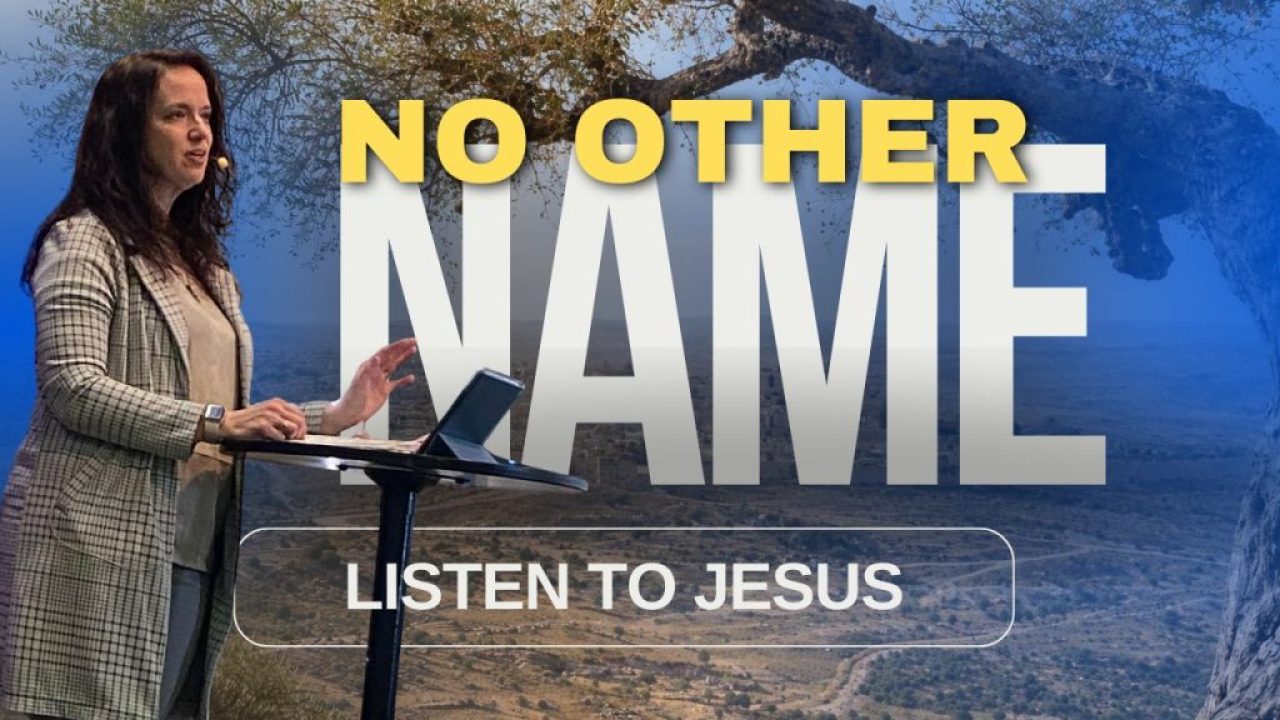
As the Listen to Jesus series comes to a close, everything comes to a head here. For seven weeks, the focus has been simple—listen to Jesus. Not just hear Him, but actually pay attention to what He says and what He does. Now the story reaches Palm Sunday, the beginning of Holy Week, where everything starts moving toward the cross. In this message, Pastor Zoe Hatcher from Open Arms Community Church in Bradford, PA walks through Jesus’ triumphal entry into Jerusalem and what it reveals about the kind of King He is. The crowd celebrated Him. They shouted His praises. But they didn’t fully understand Him.
Watch the Message
The King Who Came — and What It Means for Us
As they approached Jerusalem and came to Bethphage on the Mount of Olives, Jesus sent two disciples, 2 saying to them, “Go to the village ahead of you, and at once you will find a donkey tied there, with her colt by her. Untie them and bring them to me. 3 If anyone says anything to you, say that the Lord needs them, and he will send them right away.”4 This took place to fulfill what was spoken through the prophet:
5 “Say to Daughter Zion,
‘See, your king comes to you,
gentle and riding on a donkey,
and on a colt, the foal of a donkey.’”[a]6 The disciples went and did as Jesus had instructed them. 7 They brought the donkey and the colt and placed their cloaks on them for Jesus to sit on. 8 A very large crowd spread their cloaks on the road, while others cut branches from the trees and spread them on the road. 9 The crowds that went ahead of him and those that followed shouted,
“Hosanna[b] to the Son of David!”
“Blessed is he who comes in the name of the Lord!”[c]
“Hosanna[d] in the highest heaven!”
10 When Jesus entered Jerusalem, the whole city was stirred and asked, “Who is this?”
11 The crowds answered, “This is Jesus, the prophet from Nazareth in Galilee.”
Matthew 21:1–11
Jesus doesn’t just show up in Jerusalem—He arrives in a way that had already been spoken about centuries before.
Rejoice greatly, Daughter Zion!
Shout, Daughter Jerusalem!
See, your king comes to you,
righteous and victorious,
lowly and riding on a donkey,
on a colt, the foal of a donkey.
Zechariah 9:9
This moment isn’t accidental. It is the fulfillment of what God had already promised. Every detail points to the truth that Jesus is exactly who He claimed to be. And if those promises came true, then His promises about what is still to come can be trusted as well. When He says He is coming again, it will happen.
The people in Jerusalem were expecting a certain kind of king. They were looking for power, for a leader who would overthrow their enemies and restore control. But instead of arriving with force, Jesus comes riding on a colt. No war horse. No display of strength. Just humility. This is where the tension begins—because the King they received was not the king they expected.
As the crowd gathers, they respond with excitement. Cloaks are laid on the road. Palm branches are lifted in the air. They shout out, “Hosanna!”
Lord, save us!
Lord, grant us success!26 Blessed is he who comes in the name of the Lord.
From the house of the Lord we bless you.[
Psalm 118:25–26
But this isn’t just a shout of praise. “Hosanna” means “Save now.” It’s a cry for rescue. A desperate call for help. They are not just celebrating a king—they are asking for salvation. And yet, they are asking for it on their own terms. They want deliverance, but they want it to look a certain way. When Jesus doesn’t meet those expectations, their praise won’t last. The same voices that shout “Hosanna” will not be far removed from shouting “Crucify Him.”
In the middle of all of this, Scripture reveals something deeper about who Jesus is.
The stone the builders rejected
has become the cornerstone;Psalm 118:22
He is the cornerstone. The cornerstone is what holds everything together. It supports the entire structure, aligns everything else, and without it, the whole building collapses. Jesus is not just part of the foundation—He is the foundation.
And almost immediately, that reality begins to confront people. Jesus enters the temple and begins to cleanse it. Tables are flipped. Corruption is exposed. Access to worship is restored. This is not the quiet, passive king some expected. He confronts what is broken. He challenges what is false. And not everyone is willing to receive that.
So Jesus makes it clear.
Jesus said to them, “Have you never read in the Scriptures:
“‘The stone the builders rejected
has become the cornerstone;
the Lord has done this,
and it is marvelous in our eyes’[a]?“Therefore I tell you that the kingdom of God will be taken away from you and given to a people who will produce its fruit. Anyone who falls on this stone will be broken to pieces; anyone on whom it falls will be crushed.”
Matthew 21:42–44
There is no neutral response to Him. He is the stone, and every person will either fall on that stone and be broken or have it fall on them and be crushed. Truth always demands a response. It either humbles or it hardens.
But even in that warning, there is mercy. To fall on the stone is to humble yourself, to repent, to surrender. That kind of breaking is not destruction—it is the beginning of transformation. When someone is willing to be broken by God, that is when they can actually be used by God.
This message doesn’t end in Jerusalem. It carries forward through the early church as well.
Jesus is
“‘the stone you builders rejected,
which has become the cornerstone.
Acts 4:11–12
There is no other name. Salvation is not found in anything else—not in effort, not in religion, not in trying harder. Jesus alone is the way. That truth may be uncomfortable, but it is clear.
And the reminder continues:
For in Scripture it says:
“See, I lay a stone in Zion,
a chosen and precious cornerstone,
and the one who trusts in him
will never be put to shame.”
1 Peter 2:6–8
Some will see Him as precious. Others will reject Him. But either way, He remains the cornerstone. Without Him, there is no church, no salvation, no foundation that can hold.
Palm Sunday isn’t just a moment to remember—it’s a moment to respond. The crowd had their chance, and many of them missed it. The question that remains is the same today: what will be done with Jesus?
Because the cry still echoes—Hosanna. Save now.
And He still answers.