Why Not Choose Love?
After a tragic house fire in our city, I felt compelled to write this message; not out of anger, but out of deep concern for
the way we, as a community, often respond to tragedy.
We are a community divided by many things: social issues, personal opinions, and political ideologies. Each of us carries
something that sets us apart. Yet, when emergencies strike, one thing seems to unite people for the wrong reason, the
rush to judgment and the armchair referee role that so many assume toward emergency services personnel.
In the aftermath of tragedy, these armchair referees gather quickly, offering confident opinions and harsh critiques,
often fueled by ignorance rather than understanding. Their commentary can drag those who have dedicated their lives
to the safety of this community, people who never asked for recognition or praise, and who certainly never expected
blame while doing their best in impossible circumstances.
I believe I am uniquely qualified to write this message because I stand at an uncommon intersection within our
community. I am trained and serve as a firefighter and advanced emergency medical technician, responding to
emergencies in their rawest and most chaotic moments. I also serve as a pastor, walking alongside people in the
aftermath of tragedy, when the sirens have faded, the trucks have left, and the weight of loss, grief, and unanswered
questions finally settles in.
I have seen emergencies from both sides. I have stood in the heat, smoke, and urgency of the moment, where split-
second decisions are made with imperfect information and immense responsibility. And I have sat quietly with families
afterward, in living rooms, hospital rooms, and sanctuaries, listening to heartbreak, anger, confusion, and sorrow. I have
seen the courage, professionalism, and compassion of emergency responders up close, and I have also seen how quickly
public opinion can turn those same responders into targets of blame, suspicion, and criticism.
These two callings, emergency services and pastoral ministry, have shaped my conviction that moments of tragedy are
not opportunities for judgment, speculation, or division. They are moments that demand humility, restraint, and
compassion.
So, let’s take a moment to understand what actually happens in the first few minutes of an emergency call.
When a call comes into 911, hundreds of moving parts immediately spring into action. It begins with emergency
dispatchers, some of the most unsung heroes in public safety. Sometimes they receive one call; other times, dozens
flood in at once, all carrying the same urgent message: someone: a child, a mother, a father, a family, a homeless
person, a person struggling with addiction, you, needs help, right now!
Dispatchers must process chaos, fear, grief, anger, and confusion while making educated decisions about what resources
to send, where to send them, and how fast. They carry the emotional weight of emergencies long before anyone arrives
on scene.
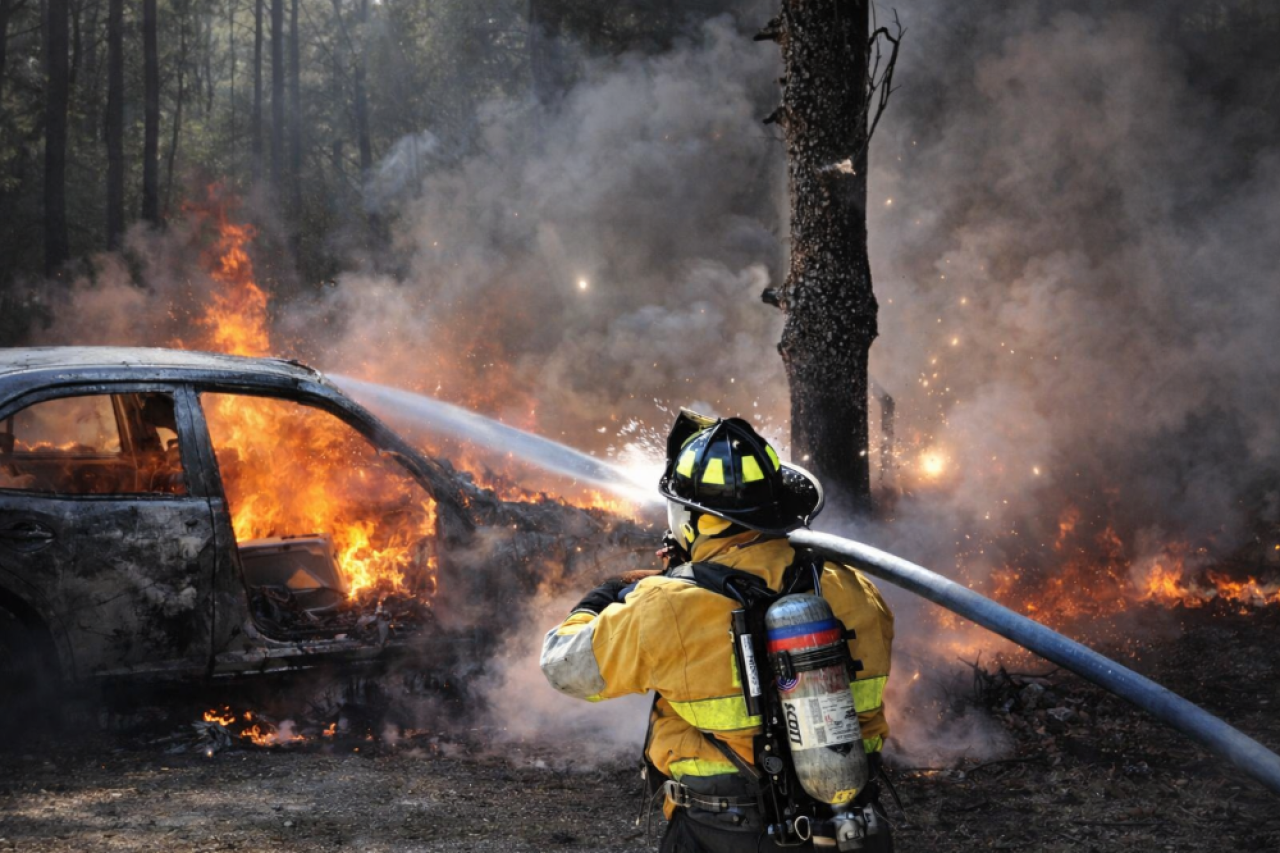
Once fire personnel arrive, they are immediately faced with insurmountable odds but clear objectives: save lives, save
property, and go home safely to their families. Seconds feel like hours as decisions are made that send people into
harm’s way for the sake of someone else’s life. Ladders are raised, hose lines charged, tools deployed, commands given;
organized chaos unfolding like a frantic orchestra under a single conductor.
These responders are not strangers. They are neighbors, ordinary people driven by extraordinary compassion, running
toward danger for people they may never meet. All while managing fire behavior, searching for victims, calling for
additional resources, and adapting constantly as conditions change.
Then comes the moment that stops everything. Over the radio, the words crackle: “Victim, victim, victim—we’re coming
out.” A fragile human life hangs in the balance, entrusted to the skilled, trained, and deeply caring hands of those
responders. This is what they train for. This is why they serve.
So why do I tell you all of this?
Because in moments when we should choose love and compassion, the public outcry too often becomes: “Why didn’t
they move faster?” or “They should have done it this way.” These judgments are made without understanding the
conditions, the risks, or the thousands of hours of training and experience that inform every decision on scene. Decisions
are not guesses, they are educated, instinctive, and rooted in a commitment to protect life, property, and each other.
I implore you to choose love; every day, and especially in moments of tragedy. We do not walk in the shoes of those
experiencing the worst moments of their lives, nor do we carry the responsibility of those making life-or-death decisions
under extreme pressure. We should be cautious, if not ashamed, of casting doubt and slander on those who are knee-
deep in someone else’s heartbreak.
Scripture calls us to something better. In Matthew 22:37–39, Jesus is asked what matters most, and He responds: “Love
the Lord your God with all your heart and with all your soul and with all your mind. This is the first and greatest
commandment. And the second is like it: Love your neighbor as yourself.”
“Love your neighbor” is often spoken casually, as though it were a slogan or a temporary comfort. But loving your
neighbor as yourself means offering the same grace, patience, and compassion you would hope to receive in your
darkest moment. It means extending love to the hurting, the lost, the broken, and the misunderstood, without
conditions.
Why does choosing love matter? Because there will come a day when you need it. One day, you will need a love that is
real, compassionate, and present, a love that doesn’t speculate, blame, or judge from a distance. In an emergency or in
another painful chapter of life, you will need people who choose compassion over commentary.
I hope that when that day comes, you don’t find only cold words typed by strangers behind screens, but a community
that shows up with tangible, lived-out love. That is the kind of city we should strive to be.
So, I ask you, choose love daily. Set aside differences. Put others’ needs before your own. Take a leap of faith to help the
person standing on the corner, the one who looks cold, the one who seems different than you. Choose love every single
day.
And the next time tragedy strikes and social media fills with speculation and outrage, temper your words with wisdom
and humility. Resist the urge to speak from ignorance. Choose restraint. Choose compassion. Choose love; always.
Because you never know when you, too, will need that same love to survive.

February 5, 2026 @ 3:02 pm
AMEN!!!
I do not blame any of you…
and to do so is extremely ignorant of why you’re there in the first place…
You all are compassionate men and woman and obviously are saving lives the best of your ability…
Don’t entertain these people who do not understand…
You are HEROES and will always be!
Much Love to you all,
God Bless ❤