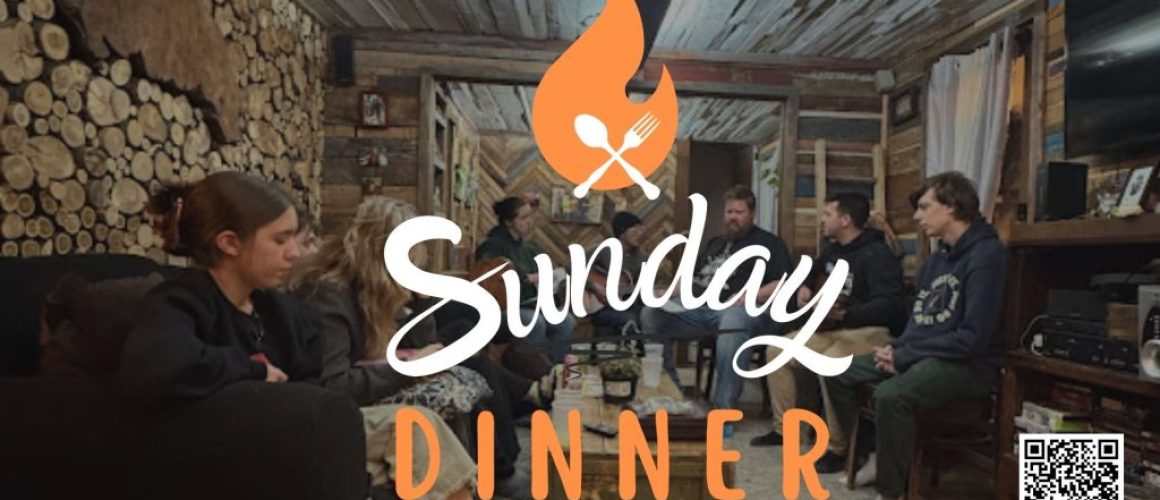
Sunday Dinner is a young adult microchurch built around shared meals, conversation, and faith. Young adults gather around the table to connect, belong, and grow spiritually.
🗓️ Sundays ⏰ 5:00 PM 📍 869 West Washington St Bradford
Promises of God is a microchurch focused on God’s Word, encouragement, and trusting His promises. This community gathers to study Scripture and remind one another of God’s faithfulness.
🗓️ Wednesdays ⏰ 6:30 PM 📍 17 Vista Circle, Bradford
Harvest of Faith is a time of Fellowship and unity while baking and canning. All are welcome to come at no cost. Children must be accompanied by an adult.
🗓️ Saturdays ⏰ 2:00–4:00 PM 📍 Open Arms Community Church Kitchen
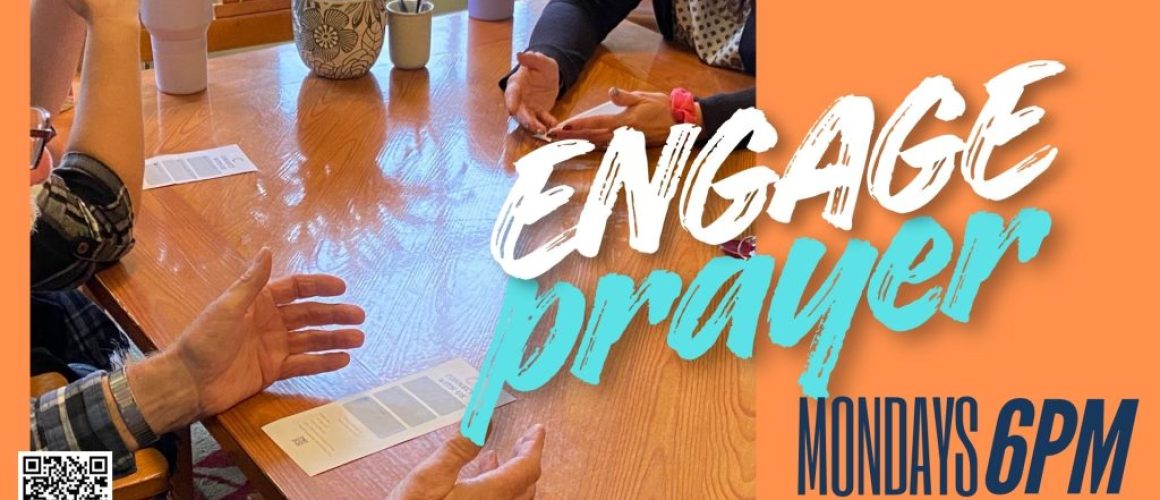
Engage Prayer is a microchurch devoted to prayer, intercession, and listening for God’s voice. Participants gather to pray for the church, the community, and one another.
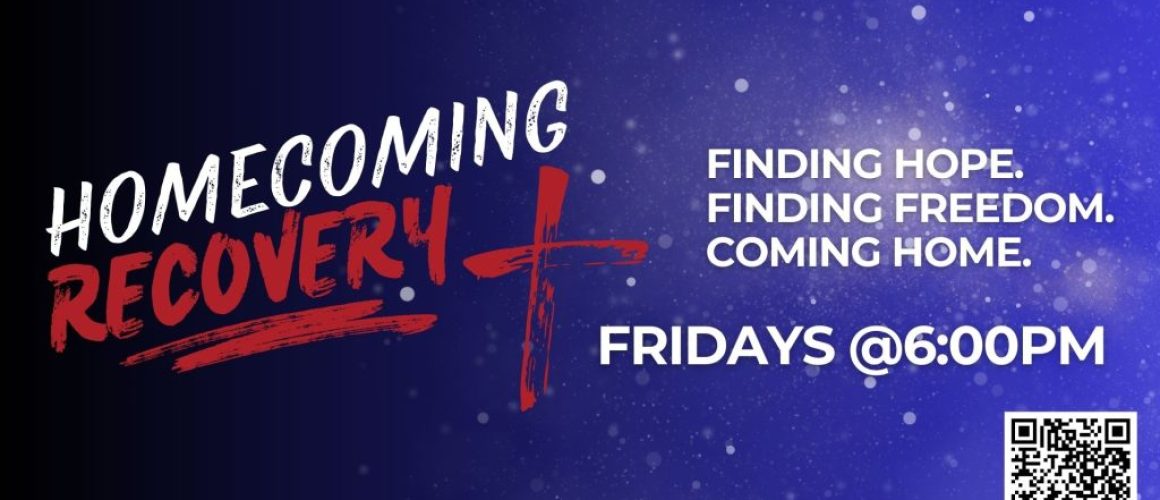
Homecoming Recovery is a Christ-centered recovery microchurch focused on healing, restoration, and freedom. This community supports individuals walking through recovery with faith, honesty, and grace.
🗓️ Fridays ⏰ 6:00 PM 📍 Downstairs at Open Arms Community Church
This winter, Open Arms Community Church is offering a simple outreach called Warm It Forward – Bradford.
We are collecting new or gently used winter clothing—including hats, gloves, scarves, and similar items—and placing them on a clothesline outside the church so anyone who needs them can take what they need.
Warm It Forward launches on Sunday, January 4, 2026 at 9:00 AM and will continue every Sunday throughout the winter months as long as items are available.
How to participate: Donations can be dropped off in the laundry basket in the Youth Room at Open Arms Community Church, located at 71 Congress Street in Bradford, PA.
If you have questions, please contact Lisa Braund at lisab@oachurch.com.
Journey to Salvation explores God’s redemptive story and His invitation to new life. Each week, we walk through Scripture to understand salvation, grace, and transformation.
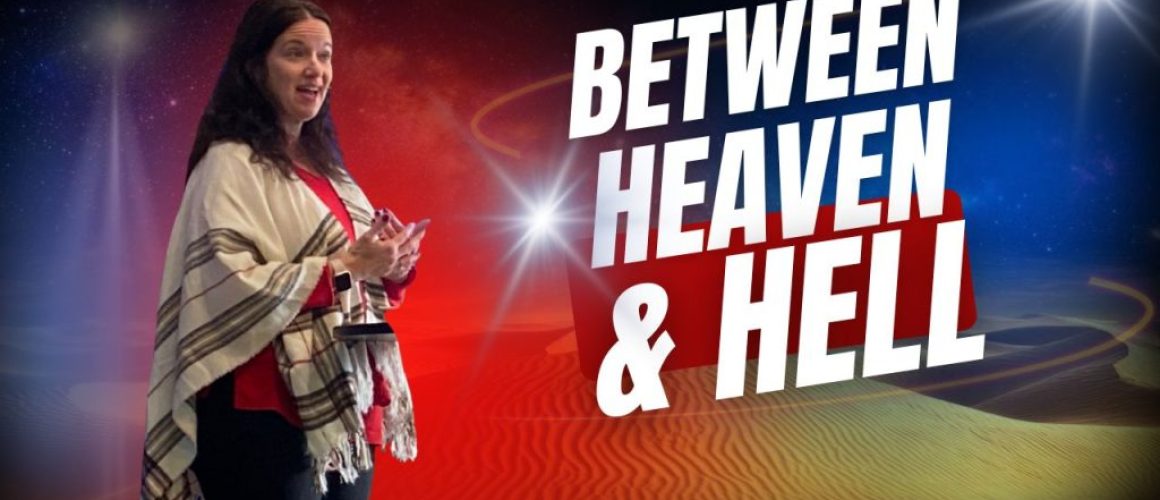
Pastor Zoe Hatcher shared a powerful message at Open Arms Community Church in Bradford, Pennsylvania, reminding us that God’s love is not distant or detached from our reality. In this message, we are invited to see salvation not as something far away or unreachable, but as something God brings directly into the middle of our lives—right where we are.
Watch now.
Where Is God When Life Feels “In Between”?
Life doesn’t always feel clear or settled. Sometimes it doesn’t feel like heaven, and it doesn’t feel like hell either. It feels like the space in between—uncertain, painful, unresolved.
This is exactly the place Scripture shows us that God chooses to enter.
In Isaiah 7:10–16 (NLT), God speaks to King Ahaz during a moment of fear and political instability:
“Ask the Lord your God for a sign of confirmation, Ahaz. Make it as difficult as you want—as high as heaven or as deep as the place of the dead.” (Isaiah 7:11, NLT)
Ahaz refuses. On the surface, his response sounds spiritual:
“No,” he said, “I will not test the Lord like that.” (Isaiah 7:12, NLT)
But the refusal isn’t rooted in faith—it’s rooted in avoidance. Ahaz doesn’t really want to hear what God might say.
And yet, God gives a sign anyway.
“All right then, the Lord himself will give you the sign. Look! The virgin will conceive a child! She will give birth to a son and will call him Immanuel (which means ‘God is with us’).” (Isaiah 7:14, NLT)
The sign doesn’t remain in heaven. It doesn’t descend into the depths. It arrives right here—in human life.
Why Would God Choose a Sign Like This?
This prophecy carries what is often called a double fulfillment.
In the immediate sense, it assured Ahaz that the kings he feared would fall within a few years. But it also pointed forward to something far greater—God’s ultimate plan of salvation through Jesus.
Matthew confirms this later fulfillment:
“Look! The virgin will conceive a child! She will give birth to a son, and they will call him Immanuel, which means ‘God is with us.’ “(Matthew 1:23, NLT)
This is not just a theological idea. It is a declaration of where God chooses to be.
What Does “God With Us” Really Mean?
God’s sign did not arrive with power, comfort, or polish. It arrived in vulnerability.
Jesus was not born in a palace. There was no room for Him. Mary gave birth on the dirt, in a place that was less than ideal. The scene was painful, not pretty.
This matters—because it tells us something essential about God’s character.
God did not wait for the world to clean itself up before entering it. He did not stand at a safe distance from human suffering. He chose to be with us in it.
The sign God gave was not located “as high as heaven or as deep as the place of the dead” (Isaiah 7:11, NLT). It landed right in the middle—where human beings live.
Why the Birth of Jesus Still Makes Us Uncomfortable
We often soften the nativity story. We make it quiet, clean, and sentimental. But Scripture tells a different story.
Jesus entered a world that was already broken. He was born into poverty, instability, and uncertainty. He came into a reality that looked much more like the mess we see around us today than the peaceful scenes we tend to imagine.
That discomfort is telling.
Sometimes we struggle with the truth of Jesus’ birth not because God couldn’t bear it—but because we can’t. We don’t like to look at suffering. We don’t like to admit how broken the world is, or how broken we are.
But Jesus did not look away.
He came into the mess.
Does God Show Up in Brokenness Today?
Yes—and He always has.
The hope of the original nativity in Bethlehem is the same hope we cling to now: God can and does bear our suffering. Even when we can barely face it ourselves.
God did not shy away from human pain. He chose to be present in it.
Scripture reminds us of this Good News in Romans 1:2–7 (NLT)
“Through Christ, God has given us the privilege and authority as apostles to tell Gentiles everywhere what God has done for them… And you are included among those Gentiles who have been called to belong to Jesus Christ.” (Romans 1:5–6, NLT)
This is the heart of the Gospel: God comes to us—where we are, as we are—and invites us into a life we could never create for ourselves. Jesus stepped into the middle of human brokenness so that none of us would ever face it alone.
When Jesus walked the earth, He didn’t seek out the polished or the powerful first. He went to the homeless, the sick, the hurting, the ashamed, the forgotten. He healed, restored, and lifted people who had been pushed aside by the world. He wasn’t intimidated by their pain or offended by their mess. He moved toward it.
And He still does.
What If You Are the One Asking for a Sign?
Maybe you’re like Ahaz—hesitant, unsure, afraid to ask God for too much. Maybe you feel like God has more important things to do. Maybe you don’t want to know the answer He might give.
But the message of Scripture is clear:
God wants to show you who He is. He invites you to ask. And even when you don’t, He still offers a sign.
That sign is Jesus.
A Savior born not in perfection or privilege, but in poverty, struggle, and uncertainty. A Savior who came “between heaven and hell” so He could meet you in the exact place you feel stuck today.
What Does It Mean to Respond to This Good News?
Romans 10:8–10 (NLT) reminds us:
“The word is near you… If you openly declare that Jesus is Lord and believe in your heart that God raised Him from the dead, you will be saved.”
Salvation is not complicated. It is not distant. It is not reserved for people who have it all together.
Salvation is near. Close. Personal.
It is the invitation Jesus extends to every person who hears the Good News.
And Scripture is also clear that once we receive it, we are called to share it:
“How can they hear about him unless someone tells them?” (Romans 10:14, NLT)
Those who have encountered Jesus become the ones who announce Him. Those who have been rescued from the “in-between” become the ones who help others find solid ground.
You are God’s trumpet—His messenger—carrying the same hope that changed your life.
A Prayer of Response
If today you want to receive salvation—the new life Jesus offers—pray something like this:
Jesus, I confess that I am a sinner and I need You. I believe You came for me, died for me, and rose again. I turn away from my old life and choose to follow You. Please forgive me, restore me, and make me new. I trust You as my Lord and Savior. Amen.
Scripture promises that whoever calls on the name of the Lord will be saved.
If you prayed this, we want to walk with you.
A Next Step for All of Us
Whether you are new to faith or have walked with Jesus for years, the call remains the same:
Look for Jesus in the middle. Respond to His presence. Tell others what He has done.
This is the journey of salvation— from waiting, to witnessing, to walking with Christ every day.
Join Us in Bradford, PA
If you’re in the Bradford area and searching for a church where you can learn, grow, and belong, we would love to meet you.
Join us Sundays at 9 & 11 AM Open Arms Community Church 71 Congress Street, Bradford, PA
In Journey to Salvation – Part 3: A Desert in Bloom, Pastor Shawn Pierce speaks to a reality many people quietly live with—spiritual dryness, burnout, and the feeling of being stuck in the same place despite wanting more from God. This message reminds us that Jesus does not merely help us survive hard seasons. He restores what has been worn down and brings life back to places that feel empty.
What follows is an invitation to slow down, reflect, and allow God to meet you honestly where you are.
Recognizing the Desert
When most people think of a desert, they picture heat, dryness, and endless stretches of land with no relief in sight. A desert is a place of exhaustion. A place where survival feels uncertain.
Spiritually, deserts look very similar.
There are seasons where we feel like we are crawling instead of walking—giving everything we have just to make it through the day. We search for something that promises relief, something that looks like an oasis. For a moment, it feels refreshing. Then it disappears.
False hope always does.
And when it does, we’re often left more tired, more discouraged, and more dehydrated than before.
How Burnout Takes Hold
It’s easy to assume burnout comes from doing too much. But spiritual burnout doesn’t come from activity alone—it comes from striving without surrender.
One thing goes wrong. Then another. Then another. Before we realize it, we’re stuck. The harder we fight to fix everything ourselves, the deeper we sink.
This is what spiritual quicksand looks like.
Burnout is not just exhausting. It’s dangerous. It slowly convinces us that dryness is normal, that weariness is permanent, and that restoration is for someone else.
But the desert was never meant to be our home.
There Was Always Another Option
The most powerful realization in moments like these is simple: there was always another option.
Jesus.
God did not design our lives to be fueled by pride, self-reliance, or endless striving. That path leads to exhaustion. Jesus did not come to lead us into deserts—He came to lead us out.
And He doesn’t only offer escape. He offers restoration.
God’s Promise: The Desert Will Bloom
Scripture speaks directly to this promise in a powerful and hope-filled passage.
📖 Isaiah 35:1–10 (NLT)
1 Even the wilderness and desert will be glad in those days. The wasteland will rejoice and blossom with spring crocuses. 2 Yes, there will be an abundance of flowers and singing and joy! The deserts will become as green as the mountains of Lebanon, as lovely as Mount Carmel or the plain of Sharon. There the Lord will display his glory, the splendor of our God.
3 With this news, strengthen those who have tired hands, and encourage those who have weak knees. 4 Say to those with fearful hearts, “Be strong, and do not fear, for your God is coming to destroy your enemies. He is coming to save you.”
5 And when he comes, he will open the eyes of the blind and unplug the ears of the deaf. 6 The lame will leap like a deer, and those who cannot speak will sing for joy! Springs will gush forth in the wilderness, and streams will water the wasteland.
7 The parched ground will become a pool, and springs of water will satisfy the thirsty land.
8 And a great road will go through that once deserted land. It will be named the Highway of Holiness. Only the redeemed will walk on it.
10 Those who have been ransomed by the Lord will return. They will enter Jerusalem singing, crowned with everlasting joy. Sorrow and mourning will disappear, and they will be filled with joy and gladness.
This is not a promise of temporary relief. This is transformation.
Fear is a liar. Doubt is a liar. When God’s presence enters an impossible place, the desert responds.
When Faithful People Doubt
Doubt is not a sign of failure. Even faithful people wrestle with questions in hard seasons.
John the Baptist was chosen by God to prepare the way for Jesus. He preached boldly and lived faithfully. Yet while sitting in prison, he found himself asking the same question many of us ask when life feels confusing and painful.
📖 Matthew 11:2–10 (NLT)
2 John the Baptist, who was in prison, heard about all the things the Messiah was doing. So he sent his disciples
The God Who Restores What Felt Lost
John’s doubt didn’t offend Jesus. Jesus didn’t rebuke him, shame him, or question his faith.
Instead, Jesus answered with evidence of His goodness:
“Go back and tell John what you have seen and heard.”
The blind see. The lame walk. The deaf hear. The dead rise. The Good News is preached.
In other words:
“John, look at the fruit. I am exactly who you hoped I was.”
This is what God does for us in our desert seasons too. He brings to mind every moment He’s moved, every prayer He’s answered, every time He has shown His faithfulness.
Sometimes the most powerful thing we can do is pause and ask ourselves:
Where have I already seen God move? What has He already brought me through? What desert has He already led me out of?
Because remembrance is often the beginning of restoration.
Why We Dry Out Spiritually
There are seasons—especially around the holidays—when life is loud, hurried, nonstop. Schedules stack up. Expectations grow. Pressures increase.
And slowly, without even noticing, we start to dry out.
Not because we don’t love God. Not because we’ve walked away intentionally. But because we’ve let everything else get louder than His voice.
Burnout doesn’t come from doing too much. Burnout comes from doing too much without Jesus.
He is the oasis. He is the water. He is the rest. He is the restoration.
And He isn’t interested in just part of your heart. He doesn’t want leftovers or the Sunday-morning-only version of you.
He wants the whole heart — the one He died to redeem.
The Desert Is Not Your End
Here is the truth every weary heart needs:
The desert is not your end. The quicksand is not your grave. Your story is not over.
Jesus is still the God who restores.
Where Jesus is:
the desert blooms
the wasteland rejoices
the broken are restored
He brings water back to dry places. He opens eyes that couldn’t see. He strengthens weak knees and tired hands. He fills mouths with singing and hearts with joy.
And He does it for one reason:
Because He loves you — and He has no intention of leaving you where you are.
The Heart of God for You
Whether you’ve walked with Jesus for years, are new to faith, have wandered far, or feel unsure what to believe…
You need to know this:
God has a plan for your life — a plan to grow you, shape you, restore you, and bring you into a life that is more fruitful and joyful than anything you imagined.
Jesus doesn’t just talk about hope. He embodies it.
He doesn’t just promise change. He brings it.
He doesn’t just speak life. He is life.
And He asks for your heart because He gave all of His.
Arms stretched wide on the cross, bearing what we deserved, offering what we could never earn.
You Don’t Have to Die in the Desert
Hear this clearly:
You don’t have to die in the desert. You don’t have to drown in the quicksand. You don’t have to fall for another mirage.
Jesus is the oasis that never disappears. He is the water that never runs dry. He is the strength that never fails. He is the Highway of Holiness that leads us safely home.
If you are in a desert right now, you are exactly where God can begin His greatest work.
If you feel empty — He is ready to fill you. If you feel broken — He is ready to rebuild you. If you feel tired — He is ready to carry you. If you feel lost — He knows the way. Because He is the Way, the Truth, and the Life.
Restoration Begins With Surrender
Restoration isn’t just possible. It’s promised. It’s available. And it starts with surrender.
Real surrender begins with repentance — not as punishment, but as opening the door to restoration.
God is calling you. Not tomorrow. Not later. Now.
If you sense Him drawing you… If your heart feels stirred… If there’s a tug in your spirit you can’t ignore…
Go be with Him.
Come to the altar. Go to the prayer area. Ask someone to pray with you. Kneel. Stand. Lift your hands. Sit in silence.
It doesn’t matter how you respond — only that you don’t miss Him.
Because the God who makes deserts bloom is here. Working. Restoring. Calling you home.
Final Scripture of Promise
📖 Psalm 107:35 (NLT)
He turns the desert into pools of water and the parched ground into flowing springs.
This is His heart. This is His promise. This is your invitation.
When someone important is coming to visit, we prepare. We clean up. We put things back where they belong. We clear a path. We want everything ready to receive them.
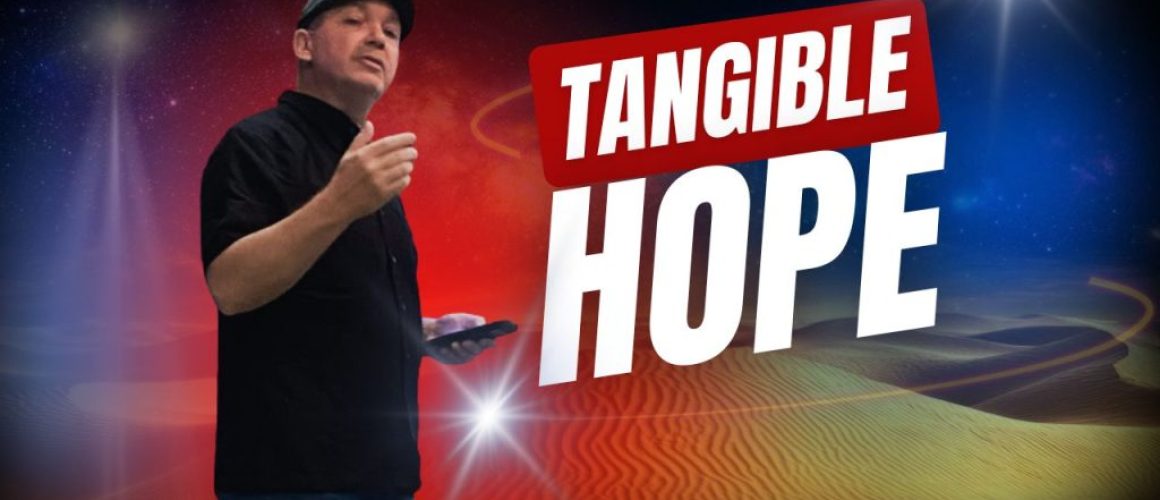
In this Advent message, Rich Dennison invites us to consider what it truly means to prepare—not for a guest in our home, but for the presence of God in our lives. Journey to Salvation: A Tangible Hope calls us to move beyond wishful thinking and into a lived, active hope rooted in repentance, humility, justice, and faith. As we prepare the way of the Lord, we are reminded that God brings new life even from what appears dead—and that Christ is still coming to meet us.
👉 Watch it online now
Please Notice
Please note: due to livestreaming issues, portions of the audio quality in this message are imperfect. While some sections may be difficult to hear clearly, we believe the message itself is important and worth sharing.
Prepare the Way of the Lord
What are some special things you might do if an important person was coming to visit you? We prepare, of course. We clean up. We organize. We clear the clutter. We make a clear path—maybe even roll out the red carpet.
On this second Sunday of Advent, we are preparing. But what exactly are we preparing for?
We are preparing for God’s presence here on earth. Not wishful thinking. Not distant hope. But a tangible hope—a concrete reality. It is time to prepare the way of the Lord, both externally and internally, making our lives ready for Christ’s coming.
The Promise of a Savior
Isaiah 11:1–10
1 Out of the stump of David’s family will grow a shoot— yes, a new Branch bearing fruit from the old root. 2 And the Spirit of the Lord will rest on him— the Spirit of wisdom and understanding, the Spirit of counsel and might, the Spirit of knowledge and the fear of the Lord. 3 He will delight in obeying the Lord. He will not judge by appearance nor make a decision based on hearsay. 4 He will give justice to the poor and make fair decisions for the exploited. The earth will shake at the force of his word, and one breath from his mouth will destroy the wicked. 5 He will wear righteousness like a belt and truth like an undergarment.
6 In that day the wolf and the lamb will live together; the leopard will lie down with the baby goat. The calf and the yearling will be safe with the lion, and a little child will lead them all. 7 The cow will graze near the bear. The cub and the calf will lie down together. The lion will eat hay like a cow. 8 The baby will play safely near the hole of a cobra. Yes, a little child will put its hand in a nest of deadly snakes without harm. 9 Nothing will hurt or destroy in all my holy mountain, for as the waters fill the sea, so the earth will be filled with people who know the Lord. 10 In that day the heir to David’s throne will be a banner of salvation to all the world. The nations will rally to him, and the land where he lives will be a glorious place.
Isaiah speaks humbly as he proclaims these promises. He tells us to look at the ground—because where else would you find a stump? Something presumed dead. Cut down. Finished.
And yet, impossibly, bursting with new life.
Isaiah reminds us that the ground beneath our feet is not ordinary ground—it is God’s holy mountain. A place of peace and justice, dependent on the coming of a leader from David’s line. This leader does not rule with human weakness or flawed judgment. The very Spirit of God rests upon him—wisdom, understanding, counsel, might, knowledge, and the fear of the Lord.
This is a prophecy about the Messiah—the anointed Savior.
Under his reign, justice is real. The poor are lifted up. Oppression has no place. Even creation itself is restored to peace. This is why hope is reasonable. This is why hope is tangible.
The Voice in the Wilderness
Matthew 3:1–3
1 In those days John the Baptist came, preaching in the wilderness of Judea 2 and saying, “Repent, for the kingdom of heaven has come near.” 3 This is he who was spoken of through the prophet Isaiah:
“A voice of one calling in the wilderness, ‘Prepare the way for the Lord, make straight paths for him.’”
Matthew connects Isaiah’s prophecy to a man named John the Baptist—the voice preparing the way for the King. John’s role was not to be the Savior, but to prepare the people for His arrival.
Before John was even born, his mission was declared.
Luke 1:13–17
13 But the angel said to him, “Do not be afraid, Zechariah; your prayer has been heard. Your wife Elizabeth will bear you a son, and you are to call him John. 14 He will be a joy and delight to you, and many will rejoice because of his birth, 15 for he will be great in the sight of the Lord… 16 He will bring back many of the people of Israel to the Lord their God. 17 And he will go on before the Lord, in the spirit and power of Elijah, to turn the hearts of the parents to their children and the disobedient to the wisdom of the righteous—to make ready a people prepared for the Lord.”
After John’s birth, his father Zechariah prophesied again.
Luke 1:76–77
76 And you, my child, will be called a prophet of the Most High; for you will go on before the Lord to prepare the way for him, 77 to give his people the knowledge of salvation through the forgiveness of their sins.
John himself would later say:
“I am the voice of one crying out in the wilderness: Make straight the way of the Lord.”
The Savior was stepping onto the world stage.
A Call to Repentance
Matthew 3:11–12
11 “I baptize you with water for repentance. But after me comes one who is more powerful than I, whose sandals I am not worthy to carry. He will baptize you with the Holy Spirit and fire. 12 His winnowing fork is in his hand, and he will clear his threshing floor, gathering his wheat into the barn and burning up the chaff with unquenchable fire.”
So how do we prepare the way for the Lord today?
It is a spiritual construction project.
Before anything new can be built, the old must come down. Sometimes forcefully. Sometimes painfully. Repentance and confession clear the ground. They make the path straight.
Preparing for Christ involves both internal transformation and external action:
Our hearts and minds must align with God
Our actions and lifestyles must reflect that alignment
This preparation is not a one-time event. It is a lifelong commitment requiring diligence, humility, and active faith.
How We Prepare the Way
Acknowledge and confess our sins Be honest. Clear the path.
Practice humility Turn from pride and worldly approval toward God’s justice.
Embrace justice and charity Remember: mankind was our business.
Cleanse your life Remove what harms and hinders your walk with Christ.
Engage in spiritual practices Prayer. Scripture. Worship. Faith lived out daily.
A Prayer of Salvation
Heavenly Father, I come to You in the name of Your Son, Jesus. I confess that I am a sinner and I am sorry for my sins and the life I’ve lived. Please forgive me. I believe Jesus died for me, and I am willing to turn from my sin. I confess Jesus as Lord and accept Him as my Savior. Help me, God, to become more like Jesus each and every day. Amen.
This is a journey. The construction isn’t finished yet. But God is faithful—and hope is real.